
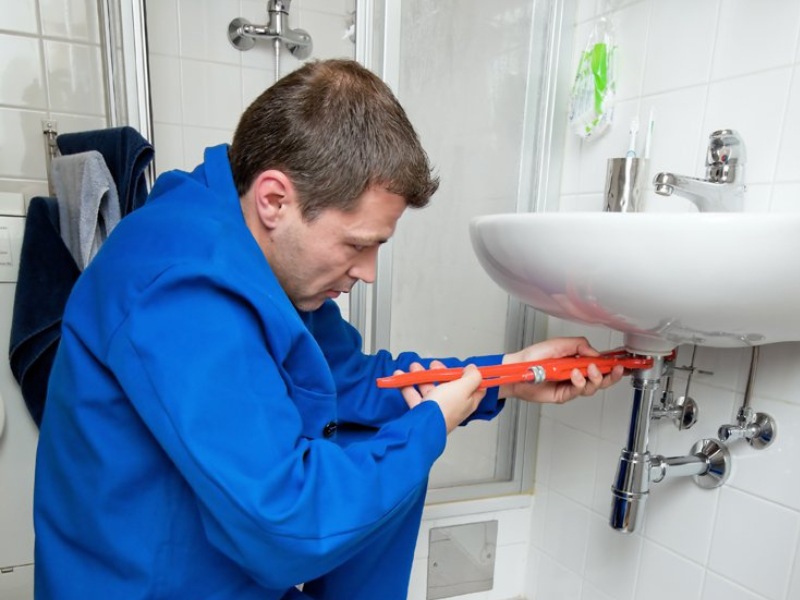
Frozen pipes are a common winter plumbing concern in Illinois, particularly when temperatures drop sharply. Pipes located near exterior walls, in basements, crawl spaces, garages, attics, or other poorly insulated areas can be especially vulnerable. Preparing your plumbing before extreme cold arrives can help reduce the risk of frozen or burst pipes.
For homeowners in McHenry, Lake, and Kane counties, taking a few preventative steps before severe winter weather can help protect the plumbing system and reduce the risk of costly water damage.
Water expands as it freezes. When water inside a pipe freezes, pressure can build within the plumbing system. That pressure can contribute to pipe damage or rupture.
Pipes are particularly vulnerable when they are exposed to cold air or located in areas without adequate insulation. Illinois Extension identifies pipes near exterior walls, crawl spaces, and attics as common areas of concern.
Pay particular attention to pipes located in:
Lake County also recommends identifying water supply lines in unheated areas and improving insulation around vulnerable pipes.
Maintain consistent indoor temperatures during extreme cold.
If you’re leaving home during winter, Illinois communities recommend keeping the thermostat at 55°F or higher rather than turning the heat off or allowing the property to become excessively cold.
Insulate pipes located in cold or unheated areas, particularly around exterior walls, crawl spaces, basements, garages, and attics.
Proper insulation helps reduce exposure to extremely cold temperatures and provides an additional layer of protection.
Before winter arrives, disconnect garden hoses from outdoor faucets.
Leaving a hose connected can allow water to remain trapped in the plumbing and increase the risk of freezing and pipe damage. Illinois Extension and Lake County both recommend disconnecting outdoor hoses before freezing temperatures arrive.
Cold air entering through gaps around windows, doors, foundations, or other openings can make nearby plumbing more susceptible to freezing.
Seal drafts and improve insulation in areas where plumbing is exposed to cold air.
If water pipes run through cabinets along exterior walls, opening the cabinet doors can allow warmer household air to circulate around the pipes.
This is a simple step that can be particularly useful during extreme cold.
When temperatures become extremely low, allowing a small amount of water to flow through vulnerable pipes can help reduce the chance of freezing.
Local Illinois guidance recommends allowing a small trickle from faucets serving vulnerable plumbing during severe cold.
You may have a frozen pipe if you notice:
Batavia’s January 2026 guidance identifies limited water flow, bulging pipes, gurgling, condensation, and surface cracks as potential signs of frozen pipes.
If you suspect a pipe has frozen, shut off the water supply if you can do so safely. Knowing the location of your home’s main water shut-off valve before an emergency occurs is important.
Do not use an open flame or torch to thaw a frozen pipe. Illinois Extension specifically warns against using an open flame because of the risk of fire and other hazards.
If the situation is unclear, the pipe is inaccessible, or you suspect damage, contact a licensed plumbing professional.
Yes. A frozen pipe may not immediately appear damaged, but pressure associated with freezing can contribute to a rupture. As the pipe thaws, water may begin leaking through cracks or damaged sections.
That’s why it is important to know where your main water shut-off valve is located and to inspect vulnerable plumbing after a freeze.
Before the coldest weather arrives:
Lake County and Illinois American Water both recommend these types of preventative measures for protecting plumbing during freezing temperatures.
Winter plumbing problems can happen quickly, but preparation can significantly reduce the risk of frozen or burst pipes. Taking care of vulnerable pipes before extreme cold arrives is much easier than dealing with water damage after a pipe fails.
Garrelts & Sons provides plumbing services throughout McHenry, Lake, and Kane counties. If you have a frozen pipe, burst pipe, or another winter plumbing emergency, professional assistance can help identify the problem and prevent further damage.
Need plumbing service? Contact Garrelts & Sons for assistance.
Business hours not available. Check your settings.